Diagnostic imaging · Ageing medicine
Veterinary
precision medicine
We are a research group that began at the University of Padua and has grown together with colleagues from other universities and institutes, in Italy and abroad. We bring together different specialities: veterinary radiology and pathology, artificial intelligence and biomedical engineering, neurology and geriatrics.
We work on two fronts that talk to each other: diagnostic imaging, where we develop artificial intelligence tools designed to help veterinarians rather than replace them, and ageing, which we study through OLD DOG by following senior dogs over time, to understand how to age well: theirs, and one day perhaps ours too. Bringing together images, data and different expertise is our way of practising precision medicine: decisions tailored to the individual patient, at every age. We share our data and results openly, because research only grows when it is shared.

 AI/VERA platformTry the artificial intelligence algorithms developed by our group.
Sign in to VERA →
Updates
News and events
Upcoming events
24Jan 2027PaduaNational Day of Veterinary Prevention2026 edition ↗Feb2027UNISVET congressAI in veterinary clinical practice: benefits, limits and responsibilitiesRead more →21–23May 2027Ithaca, NYSAVY 2027 – Symposium on Artificial Intelligence in Veterinary MedicineSymposium website ↗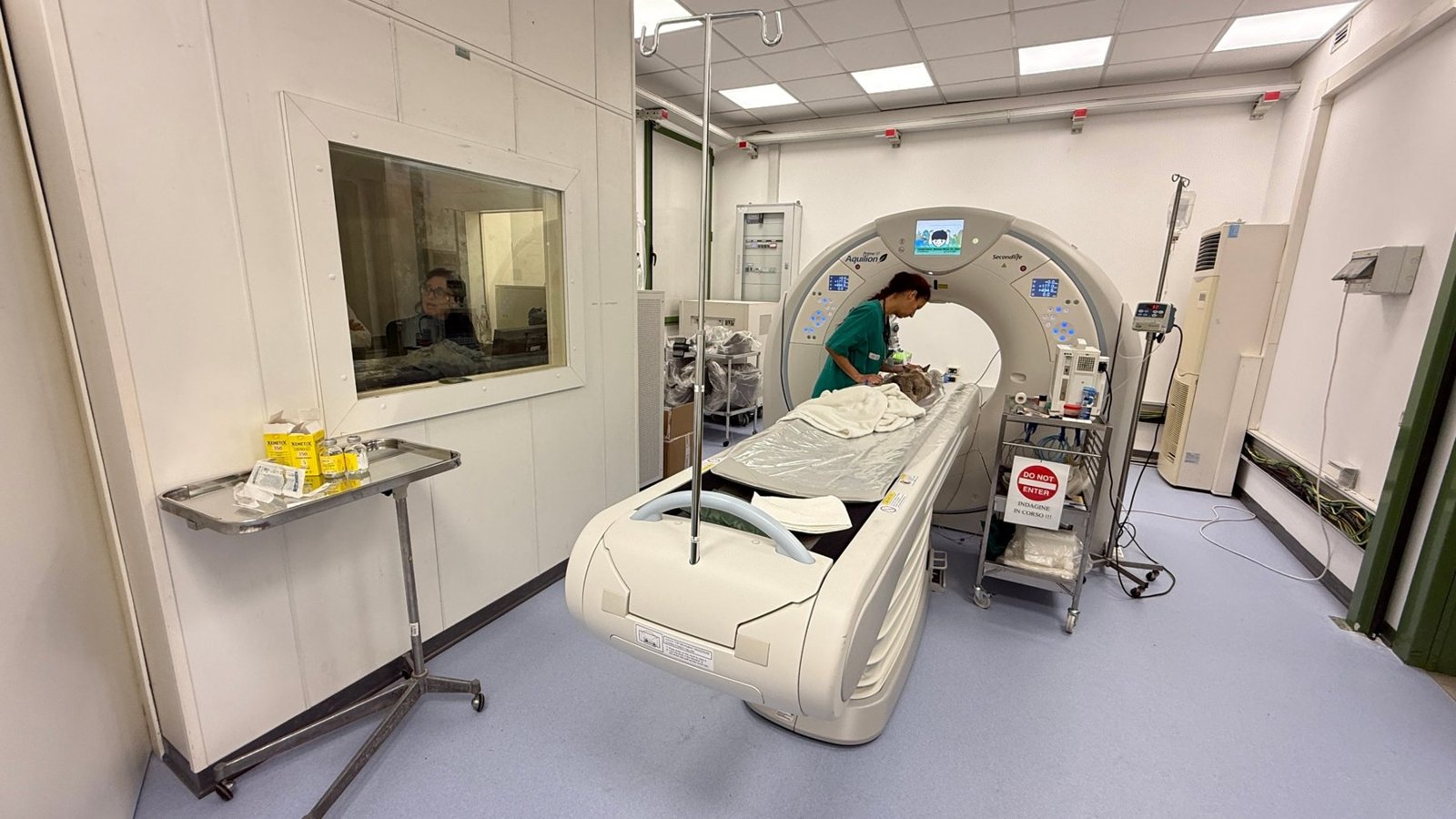
Research
Research highlights
Some of the group’s latest results, across artificial intelligence, open data and canine ageing.
500 CT volumes with segmented lung nodules
We have built an archive of 500 CT studies of dogs and cats in which lung nodules were manually segmented by our radiologists: the basis for training and validating algorithms that find and measure them automatically.The AI/VERA CT project → Join the study →VetXRay, open thoracic radiographs
Radiographs of dogs and cats annotated for 17 findings and 5 quality indicators, released under CC BY 4.0.Read more →AUC 0.83The Veterinary Quarterly 2026AI detects left atrial enlargement in cats
A neural network identifies left atrial enlargement on thoracic radiographs, with echocardiography as the reference.Read more →209OLD DOG · J Frailty Aging 2026The dog as a model of ageing
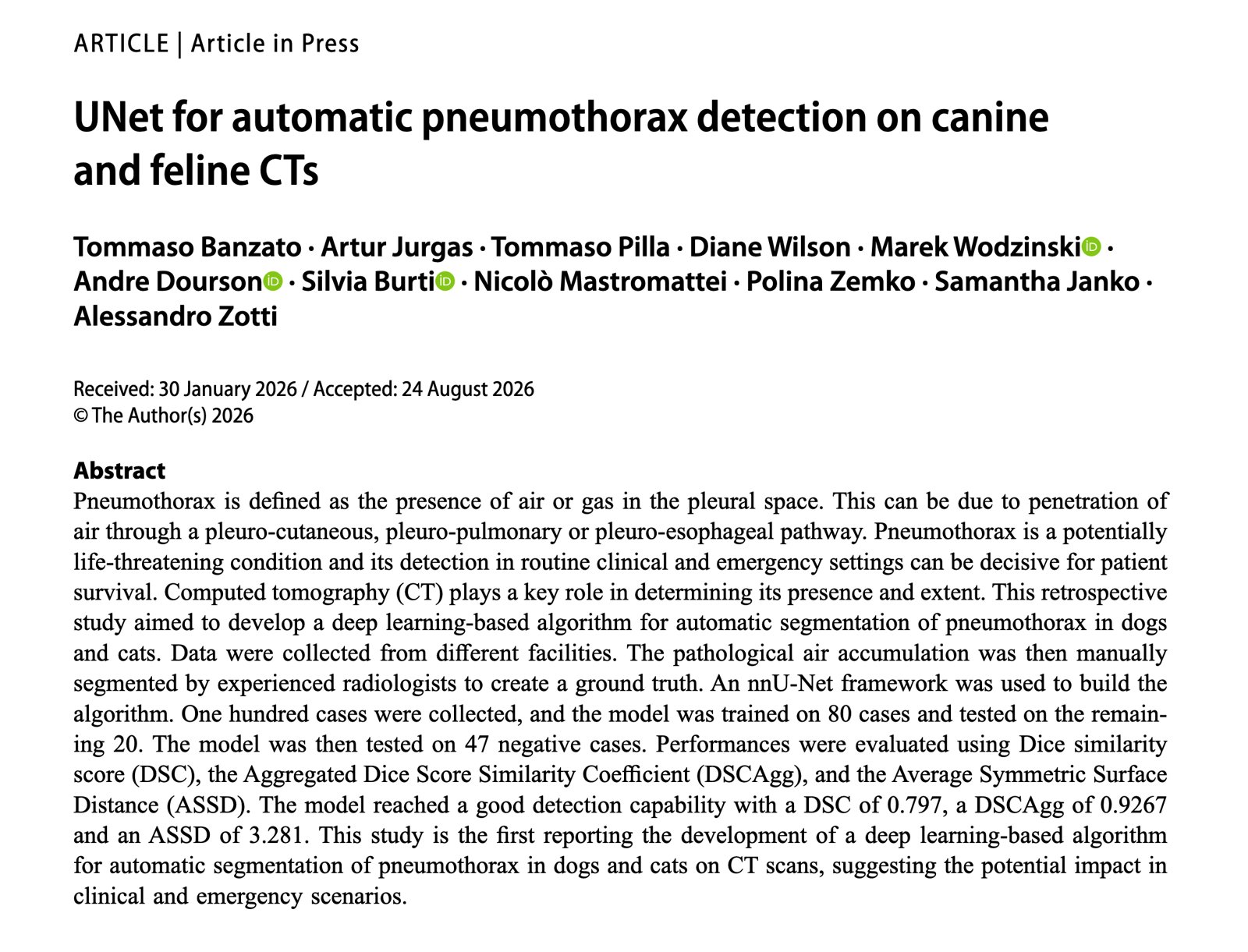
Dogs aged 5 years or older followed every six months for 30 months, in search of biomarkers of biological age.Read more →~100Scientific Reports 2026Automatic pneumothorax segmentation on CT
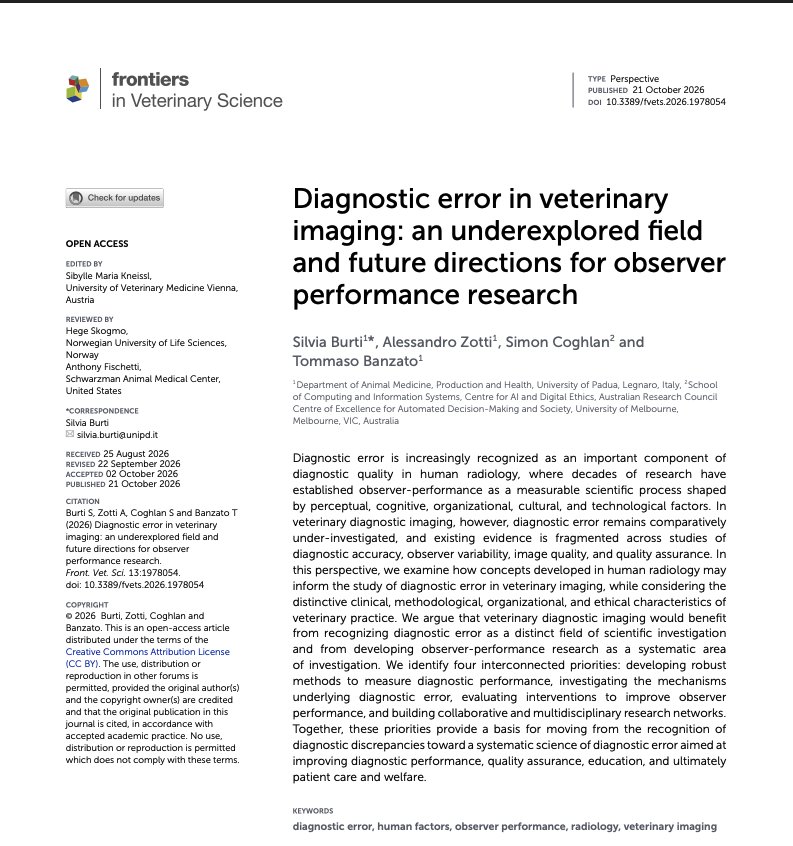
An AI model trained on about 100 annotated cases outlines pneumothorax on CT scans of dogs and cats.Read more →4Frontiers in Veterinary Science 2026Diagnostic error as a research field
Four priorities to measure, understand and reduce error in veterinary diagnostic imaging.Read more →3AI/VERA · CTLiver lesions, lung masses, pneumothorax
Automatic segmentation models published for CT, towards triage and structured reporting.Read more →People
The group
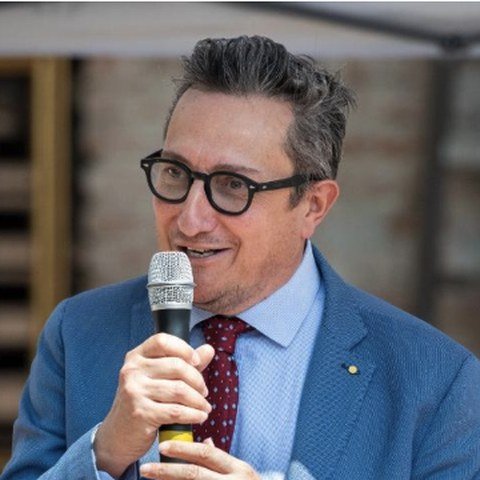
Alessandro Zotti
Group leadWorks in veterinary diagnostic imaging and takes part in most of the group’s studies, from artificial intelligence and contrast-enhanced ultrasound to clinical CT cases and diagnostic error.
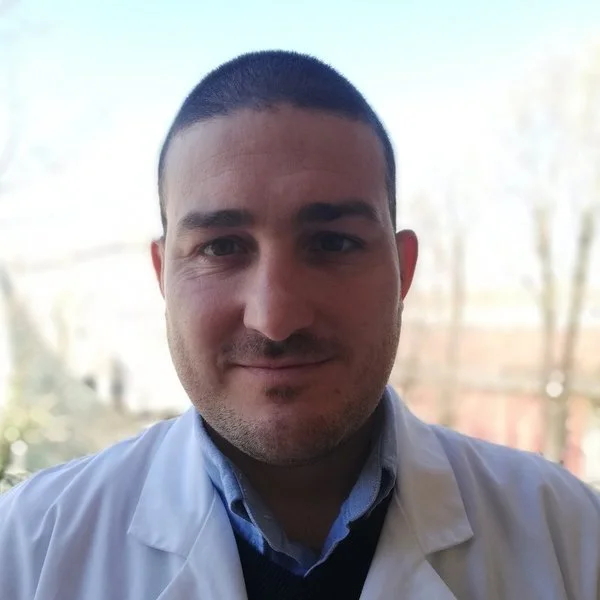
Tommaso Banzato
AI/VERA leadVeterinary radiologist. Leads the AI/VERA project, developing and validating artificial intelligence algorithms for radiography and CT in dogs and cats. Curated VetXRay, the dataset of 9,882 annotated thoracic radiographs.
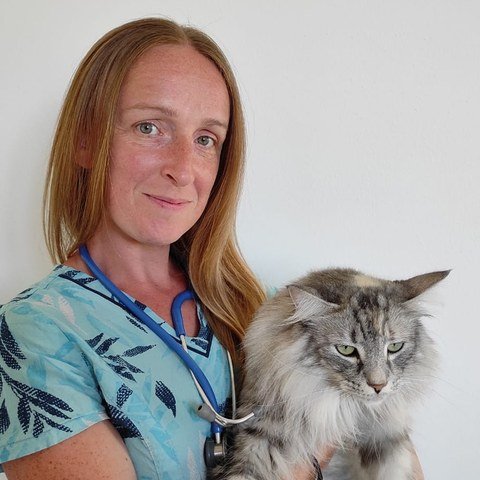
Silvia Burti
Diagnostic error leadStudies observer performance and the role of AI in reducing diagnostic error. Has worked on contrast-enhanced ultrasound (CEUS) of pancreatic and adrenal lesions and on automatic segmentation of CT lesions.

Polina Zemko
OLD DOG leadLeads OLD DOG, the prospective study of 209 dogs that uses the dog as a model of human ageing. Works on biomarkers of biological age, from blood tests to fitness tests.
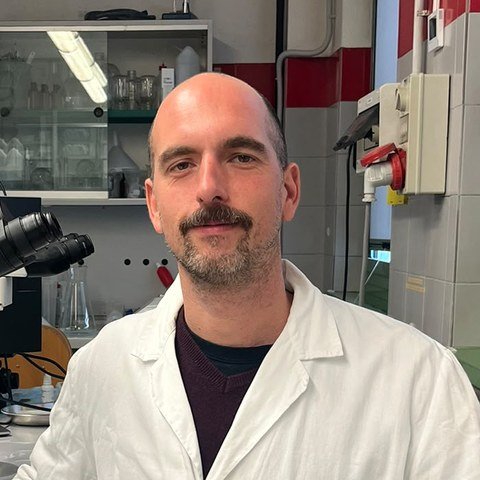
Federico Bonsembiante
Takes part in OLD DOG and in studies of age-related laboratory parameters such as the sodium/potassium ratio. Contributed to the machine-learning classification of splenic lesions on CT.
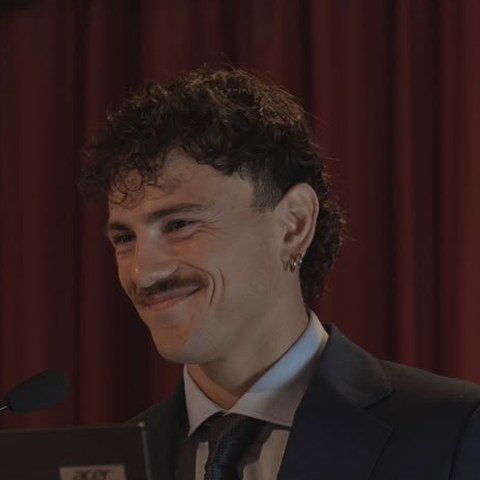
Nicolò Mastromattei
Works on AI-based automatic segmentation of focal liver lesions in canine CT studies.
Giorgia Bison
Works in veterinary diagnostic imaging. Has published with the group a clinical case of a pedunculated accessory liver lobe in a dog.
Carlotta Valente
Led the study on the artificial intelligence algorithm that detects left atrial enlargement on feline thoracic radiographs.
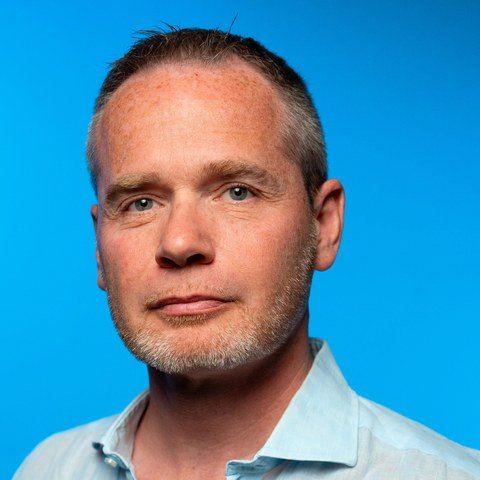
Manfredo Atzori
HES-SO Valais-Wallis · University of PaduaResearcher in machine learning for biomedical data. Collaborated on the group’s first studies on automatic classification of canine thoracic radiographs.
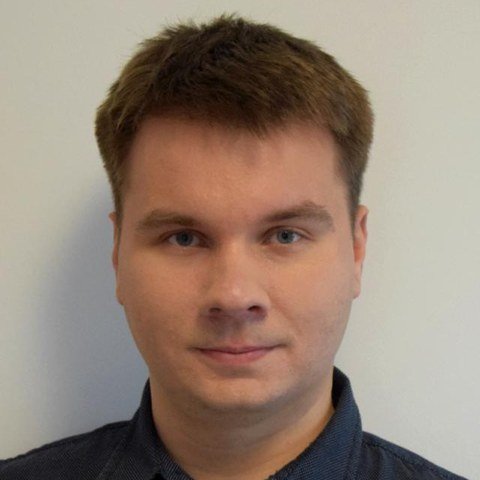
Marek Wodzinski
AGH University of Krakow · HES-SO Valais-WallisResearcher in artificial intelligence for medical imaging. Co-author of most of the group’s deep learning studies on radiographs and CT; contributed to the VetXRay dataset.
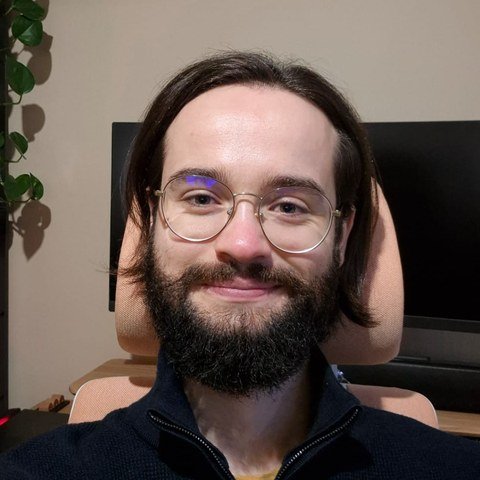
Artur Jurgas
AGH University of KrakowWorks on automatic image segmentation. Developed the models for pulmonary masses and liver lesions on CT with the group.
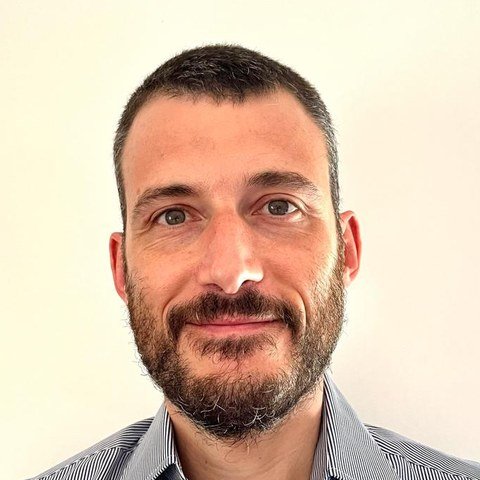
Marco Canevelli
Sapienza University of RomeNeurologist and researcher in human ageing. Collaborates on the OLD DOG project, which uses the dog as a model of ageing.
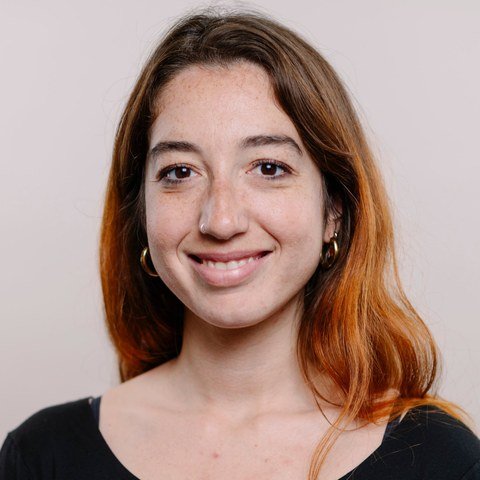
Simona Buscarnera
Sapienza University of RomeResearcher in human neuroscience. Collaborates on the OLD DOG project comparing ageing in dogs and humans.
Parminder S. Basran
Cornell UniversityCollaborates with the group on artificial intelligence in veterinary diagnostic imaging.
Christopher Pinard
University of Guelph · ANI.ML Health (Toronto)Veterinary oncologist and artificial intelligence researcher. Collaborates with the group on AI in veterinary diagnostic imaging, including a book chapter in preparation.
Matteo Cesari
University of MilanGeriatrician working on frailty and healthy ageing. Collaborates on the OLD DOG project.
Research network